
Coral Gardens Grand Cayman Snorkeling Tips
A school of blue tangs slips past the coral, sunlight dances across the sandy bottom, and the North Sound feels a world away from the busy beach day. That is the appeal of Coral Gardens Grand Cayman snorkeling: an easygoing reef experience with real marine-life moments, even for guests who have never worn a mask before.
Located in Grand Cayman’s protected North Sound, Coral Gardens is a popular shallow reef stop often paired with Stingray City. It is a wonderful fit for families, couples, and groups who want more than a quick swim. The water can be remarkably clear, the reef is close enough to enjoy without scuba gear, and a good guide helps you spot the details that are easy to miss on your own.
What Makes Coral Gardens Special?
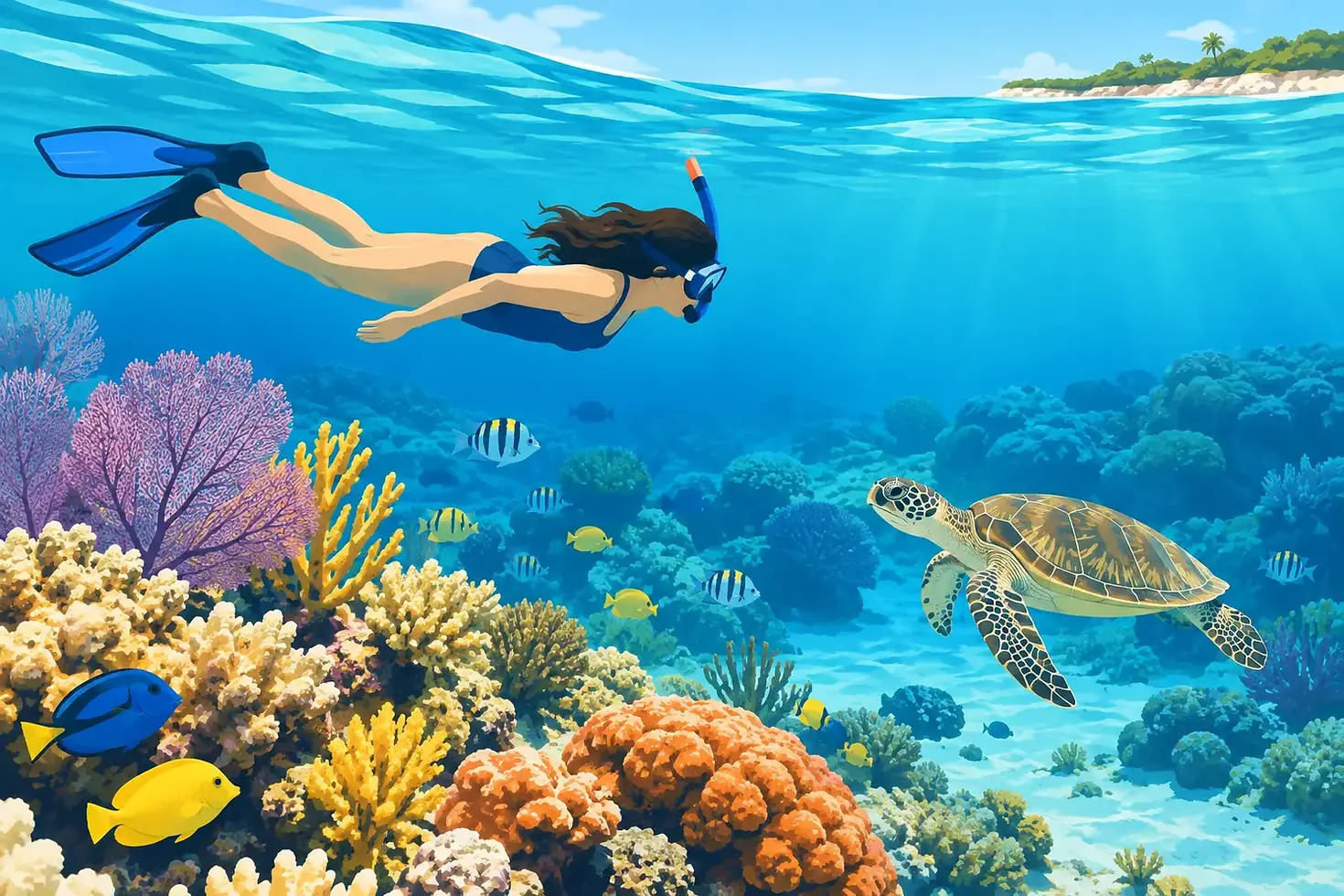
Coral Gardens is not a wall dive or a deep-water adventure. Its charm is in the accessible reef scenery. You can float above coral heads and sandy channels while looking for bright reef fish, sea fans, soft corals, and the occasional larger visitor moving through the blue.
Because the site sits in the North Sound, it is commonly more sheltered than exposed ocean reefs. That makes it especially inviting for first-time snorkelers and multigenerational groups. Conditions still change with wind, rain, tides, and recent weather, so no operator should promise identical visibility every day. But on a calm, sunny day, the shallow water and natural light can make this stop feel like pure island magic.
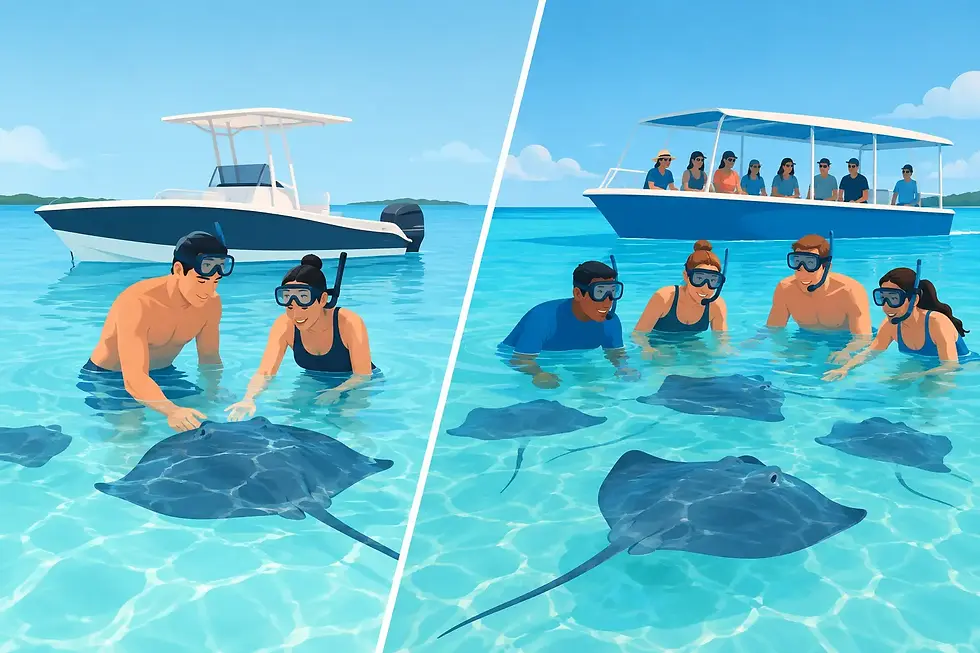
The reef also gives guests a different kind of Grand Cayman memory than Stingray City. At the sandbar, the experience is active and personal: gentle Southern stingrays glide around your legs in clear, waist-deep water. At Coral Gardens, the pace slows down. You float, look closely, and let the reef reveal itself.
Coral Gardens Grand Cayman Snorkeling: What You May See
Every visit is different, which is part of the fun. Common sightings can include sergeant majors, yellowtail snapper, parrotfish, blue tangs, grunts, butterflyfish, and squirrelfish tucked beneath ledges. Keep an eye along the sand and around coral structures as well. Rays, barracuda, sea turtles, and nurse sharks are possible sightings, but never guaranteed.
The best snorkelers are usually the ones who move the least. A slow kick, relaxed breathing, and a few quiet minutes hovering near a coral head give marine life time to carry on as normal. Instead of chasing fish from one patch of reef to another, let them come into view.
Coral itself is living and fragile. Stay horizontal in the water, keep your fins well clear of the reef, and never stand on or touch coral. The same rule applies to fish, rays, and every other animal you meet. Looking closely without interfering is how we keep these places beautiful for the next family on the boat.
Is It Good for Beginners and Kids?
Yes, Coral Gardens can be an excellent choice for beginners, provided the day’s conditions are suitable and everyone is comfortable in the water. A guided boat trip removes much of the guesswork: your crew checks the weather, provides properly fitted gear, explains how to use it, and points out the safest area to snorkel.
For children and nervous adults, flotation support can make all the difference. A snorkel vest lets you relax at the surface instead of spending energy trying to stay afloat. Many first-timers also prefer to start by holding a noodle or staying near the boat until their breathing feels natural.
There is no prize for going farther than you feel ready to go. A short, confident snorkel near the group is far more enjoyable than pushing through anxiety. Let your guide know if anyone is a first-timer, a weak swimmer, or uncomfortable with open water. A family-friendly crew can offer simple coaching before anyone gets in.
Guests with stronger snorkel skills can spend more time scanning the reef’s edges and looking down sandy channels. The important thing is to match the experience to your group, not to someone else’s vacation photos.
The Best Time to Go
Morning trips often bring calmer water, softer crowds, and a fresh start before the island day heats up. They can be particularly appealing if you want to pair snorkeling with Stingray City and still have time for lunch, Starfish Point, or a relaxing afternoon at your resort.
That said, the best departure time depends on wind and your group’s schedule. In the Cayman Islands, weather can shift, and a local captain will choose the safest, most enjoyable route based on conditions. If your travel dates are flexible, book early in your stay. That gives you more room to move your excursion if a windy day is forecast.
Cruise ship schedules can affect how busy Grand Cayman feels, especially around the island’s most famous attractions. A Northside departure offers a different rhythm from the busy Seven Mile Beach corridor, and smaller private charters give you the most flexibility around timing and reef stops.
What to Bring for a Comfortable Reef Stop
Come prepared for sun, saltwater, and a few hours of happy adventure. Wear a swimsuit under light clothing and bring a towel for the ride back. A rash guard is a smart choice for sun coverage and a little extra comfort in the water.
Use reef-conscious sun protection when possible, and apply it well before getting in the water. Bring sunglasses, a hat, and a dry bag for anything that needs to stay dry. If you wear prescription glasses, ask ahead about mask options, or consider whether contacts are comfortable for you in the water.
Most guided trips provide snorkeling equipment, but fit matters. Your mask should seal comfortably around your face without being painfully tight. Your fins should be snug but not pinching. Take a moment on the boat to ask for an adjustment. That two-minute check can save an entire snorkel stop.
If you want photos, a waterproof camera or phone case can be fun, but do not let it become the whole experience. Take a few shots, then put it away and look around. The reef is better when you are actually present for it.
Guided Tour or Private Charter?
A shared snorkeling tour is a great value if you enjoy meeting fellow travelers and want a straightforward, well-planned day on the water. It is often the easiest route for couples, smaller families, and visitors looking to combine Coral Gardens with Stingray City.
A private charter is worth considering for larger families, friend groups, confident snorkelers, or anyone who wants more control over the pace. You can spend extra time at a reef your group loves, build in a stop at Starfish Point when conditions allow, or create an itinerary around a birthday, reunion, or special vacation day.
From a Northside base at Kaibo Marina, Silver Thatch Watersports can make it easy to experience the quieter side of the North Sound while giving first-timers clear, friendly guidance. The right choice comes down to whether you value a social group outing or a boat day shaped entirely around your crew.
A Few Reef Etiquette Rules That Matter
The North Sound is a working marine environment, not an aquarium built for visitors. Respecting it is simple, and it makes a real difference. Do not feed fish, collect shells or coral, touch wildlife, or leave anything behind. Keep a comfortable distance from other snorkelers and follow your captain’s instructions for boat traffic, current, and safe entry points.
If you see something unusual, point it out to your guide rather than trying to get closer. A guide may be able to identify a fish, explain why a ray is resting in the sand, or help the group observe without stressing the animal.
The best Coral Gardens experience is not measured by how many species you can name or how far you swim. It is that quiet moment when you are floating in warm Cayman water, a bright fish passes below, and your whole group remembers to look up, look around, and enjoy exactly where you are.


Comments